Seminar 4: Saving and Distributing Water in TransPort
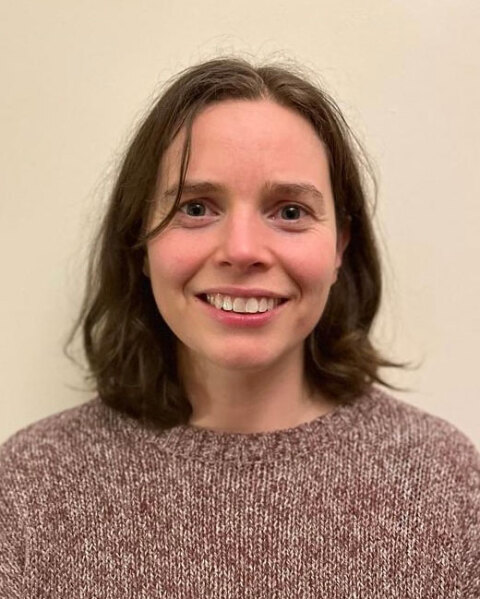
Teaching Staff: Dr. Ruth Quinn
Ruth Quinn received her PhD degree in Civil and Environmental Engineering from the University of Greenwich, UK. Following her PhD, Ruth examined water quality and quantity in managed aquifer recharge systems (sand dams) in rural Kenya as part of her role as a research fellow at Cranfield University. Her following project (University of Aberdeen, 2018 - 2019) involved modelling the impact of global agriculture and livestock on surface and groundwater globally, regionally, and locally.
As a postdoctoral researcher at The University of Sheffield (2019 - 2022), she examined the impact of small-scale sustainable drainage systems (rainwater harvesting, rain gardens, etc.) on flood resilience and combined sewer overflow events as part of a large interdisciplinary team of social and environmental scientists and landscape architects. She is currently working on the SFI-funded Sustainable Shared Spaces project at ATU Sligo, examining how to improve water management, biodiversity and social connectivity in our public spaces.
Seminar Description
Saving and Distributing Water in TransPort
The Sustainable Social Spaces Project aims to design an outdoor area that addresses environmental, social, and ecological challenges while creating a welcoming space for students. The unit will serve three purposes: storing rainwater to reduce sewer overflow, supporting biodiversity, and providing an inclusive social area for the community.
Germany, like Ireland, faces growing risks from climate change, with heavier rainfall increasing the frequency of pluvial flooding and combined sewer overflows. Across urban environments, ageing infrastructure has already led to poor water quality. Capturing and storing runoff can help alleviate this issue. At the same time, the world is facing a biodiversity crisis, driven by habitat loss, invasive species, pollution, and climate change. On a social level, loneliness and stress are major problems among students and the general public, with many reporting severe anxiety and feelings of isolation.
The project responds to these challenges by combining green infrastructure with social design. Students will develop a demonstrator unit on campus that is visually appealing, accessible to all, and functional in achieving its environmental and social goals. The process involves research, design development, and creation of a diorama model, supported by a professional report and poster. The outcome will not only showcase a feasible solution but also inspire wider adoption by councils and businesses, improving community well-being while protecting the environment.
Recommended Reading
- Water Sensitive Urban Design in the UK – Ideas for built environment practitioners (CIRIA, 2013): WSUD in UK
- Water sensitive urban design guideline (Transport for NSW, 2023): WSUD Guidelines
- Empowering urban wellbeing and biodiversity through design-driven citymaking (Cipiriani et al., 2024): Link to Paper
- Designing cities for everyday nature (Visintin et al. 2024): Link to Paper
- Loneliness in Europe: Determinants, Risks and Interventions (Schnepf et al., 2024): Link to Book